

Why Education Must Become Human Again
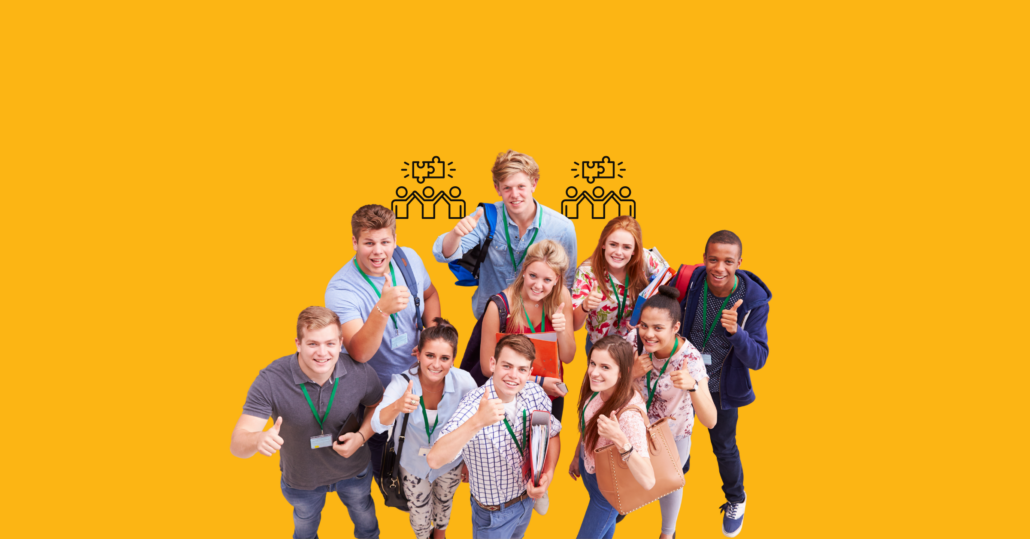
In a world where information is available instantly, many parents and educators are beginning to ask a deeper question: what should education truly offer young people today? Access to knowledge is no longer the main challenge, because students can now find facts, explanations, and tutorials within seconds. For this reason, education must become human again if it wants to remain meaningful in the age of artificial intelligence.
For decades, conventional schooling has often been shaped by comparison, competition, and the repeated cycle of learning for tests. Students study content, reproduce it during exams, and then move on quickly to the next topic. Although this system may produce measurable academic results, it does not always create understanding, wisdom, or personal direction.
Why Education Must Become Human Again in the Digital Age
Today’s students are growing up in a reality where information is no longer scarce. Artificial intelligence can explain mathematics, generate writing, support language learning, and answer complex questions at any moment of the day.
However, unlimited access to information changes the role of education itself. If answers can be found instantly, then schools must offer something deeper than content delivery. Education must become human again because human development cannot be automated.
In this context, students increasingly seek environments where learning feels meaningful rather than mechanical. They want education that helps them interpret knowledge, not simply collect it.
Formation Matters More Than Information
Many young people no longer need more information; instead, they need formation. They need learning experiences that help them understand who they are, how they think, and how they relate to others.
A humane educational approach therefore values:
• thoughtful conversation
• meaningful questions
• reflection and personal responsibility
• opportunities for independent thinking
As a result, students begin to see learning as a process of growth rather than performance. Instead of studying only to pass tests, they develop the ability to connect ideas, question assumptions, and build perspective.
Why Human Presence Still Matters
Technology can support education, but it cannot replace human presence. Students still need adults who embody perspective, balance, and emotional maturity.
They benefit from mentors who demonstrate that digital tools are useful servants rather than dominant forces. Moreover, young people need to see examples of how thoughtful adults make decisions, engage in dialogue, and approach challenges with awareness.
Because of this, education must become human again by protecting spaces where relationships remain central.
Learning Is Relational, Not Isolated
True education is never purely individual. Every learning process affects relationships, communities, and future choices.
When students understand that learning is relational, they begin to recognise that every skill they develop carries social meaning. In addition, they learn that responsibility and collaboration are essential parts of personal growth.
A strong educational environment therefore nurtures:
• trust
• cooperation
• ethical awareness
• co-creation
Through these elements, students learn that education is not only about achievement but also about participation in life.
The Skills the Future Will Truly Require
The future will not reward those who simply memorise the greatest quantity of information. Machines already perform that function efficiently.
Instead, future generations will need qualities that technology cannot fully reproduce. For example, students must learn how to think critically, collaborate respectfully, and make ethical decisions in uncertain situations.
In fact, these human capacities are becoming more valuable as technology advances. Consequently, education must become human again if schools want to prepare young people for real life rather than outdated academic systems.
To explore another reflection on how SBL places humanity at the centre of learning, you may also enjoy reading:
👉 https://www.school-beyond-limitations.com/more-than-a-school-education-way-of-life/
Designing Learning Around the Human Being
Perhaps the central educational question is no longer how students can fit into existing systems. Instead, schools may need to ask how learning environments can respect who young people already are while helping them grow into who they may become.
At School Beyond Limitations, this perspective shapes everyday practice. Students are encouraged to think independently, engage responsibly, and develop both knowledge and humanity.
Ultimately, this is why education must become human again: because information alone cannot prepare young people for conscious participation in life.
Would you like your child to experience an education that develops not only knowledge, but also humanity?
➡️ Get in touch, book now your free introductory call here.






Leave a Reply
Want to join the discussion?Feel free to contribute!